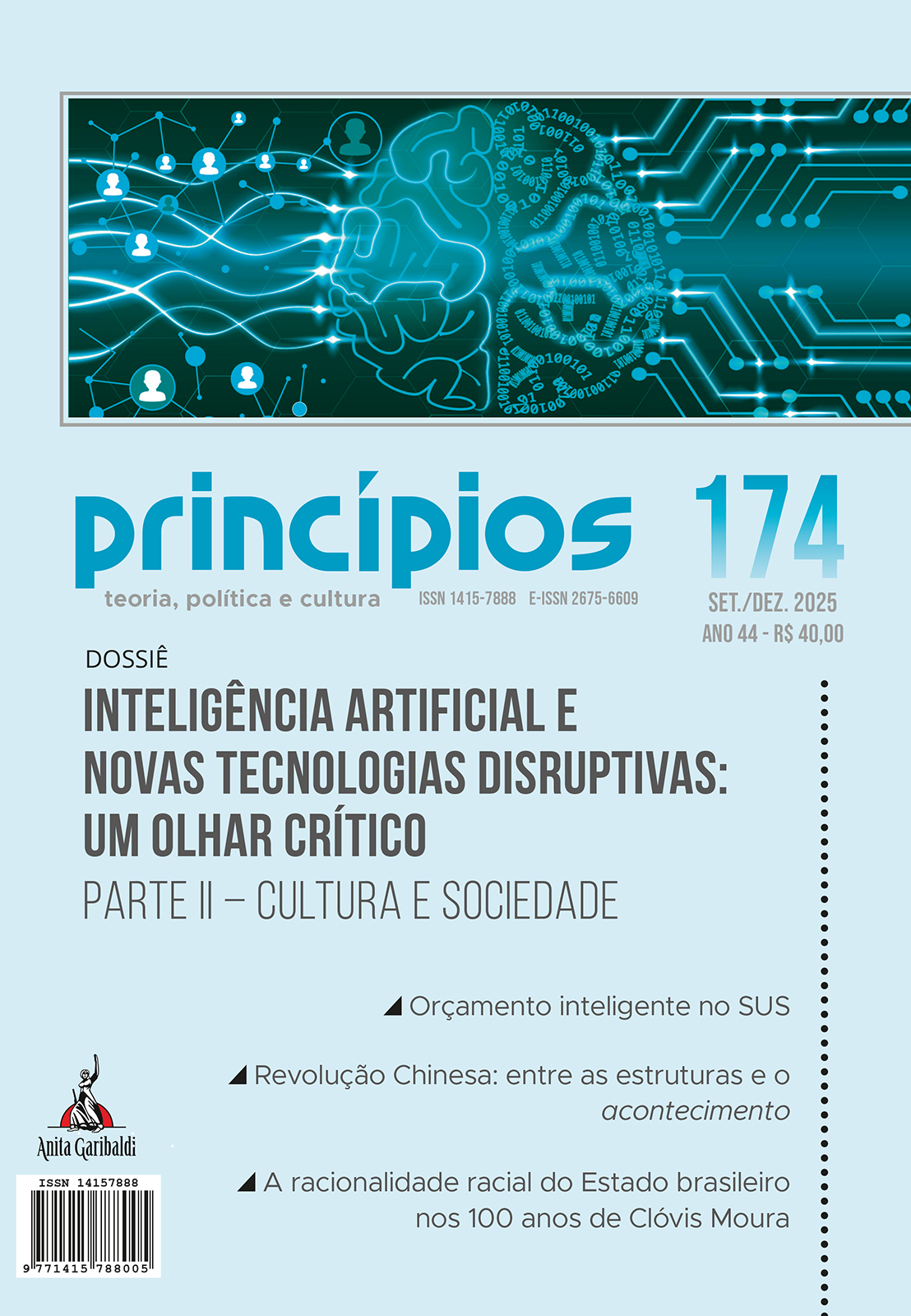
Inteligência artificial na educação
Uma reflexão crítica sobre impactos éticos e sociais
Palabras clave:
Inteligência Artificial, Educação, Ética, CríticaResumen
A inteligência artificial (IA) é um ramo da ciência da computação que se tornou ubíquo em nosso cotidiano. Na educação, seu uso tem gerado discussões perante os desafios inerentes a essa tecnologia. Este artigo visa investigar perspectivas críticas relacionadas à IA na educação, buscando explorar as implicações éticas e sociais dessa integração. Para atingir esse objetivo, realizou-se uma revisão bibliográfica com abordagem quali- tativa e exploratória. Com base em publicações recentes encontradas nos repositórios e em autores como Dora Kaufman, Paulo Freire e Lucia Santaella, a pesquisa revela como a IA, quando aplicada como recurso sociocultural, pode personalizar a aprendizagem, facilitar o acesso ao conhecimento e promover práticas pedagógicas interativas e criati- vas. No entanto, há obstáculos e riscos que devem ser observados, como desigualdades sociais, vieses algorítmicos, capitalismo de vigilância, simplificação do conhecimento, “acriticidade”, bolhas sociais e ameaça à privacidade de dados. Infere-se que a IA, se utilizada de forma ética e crítica, promovendo o diálogo, a problematização e a cons- trução coletiva do conhecimento, pode auxiliar nos processos pedagógicos. Ademais, a integração da IA na educação deve ser analisada criticamente para se entender se ela contribui para a perpetuação das desigualdades sociais ou se pode ser utilizada como uma ferramenta de emancipação. Para que se concretize uma cidadania digital emancipadora, é basilar haver amplos investimentos, tanto na formação docente quan- to no desenvolvimento de políticas públicas que assegurem justiça social, fiscalização, infraestrutura e equidade para a utilização benevolente dessas tecnologias inteligentes.
Descargas